


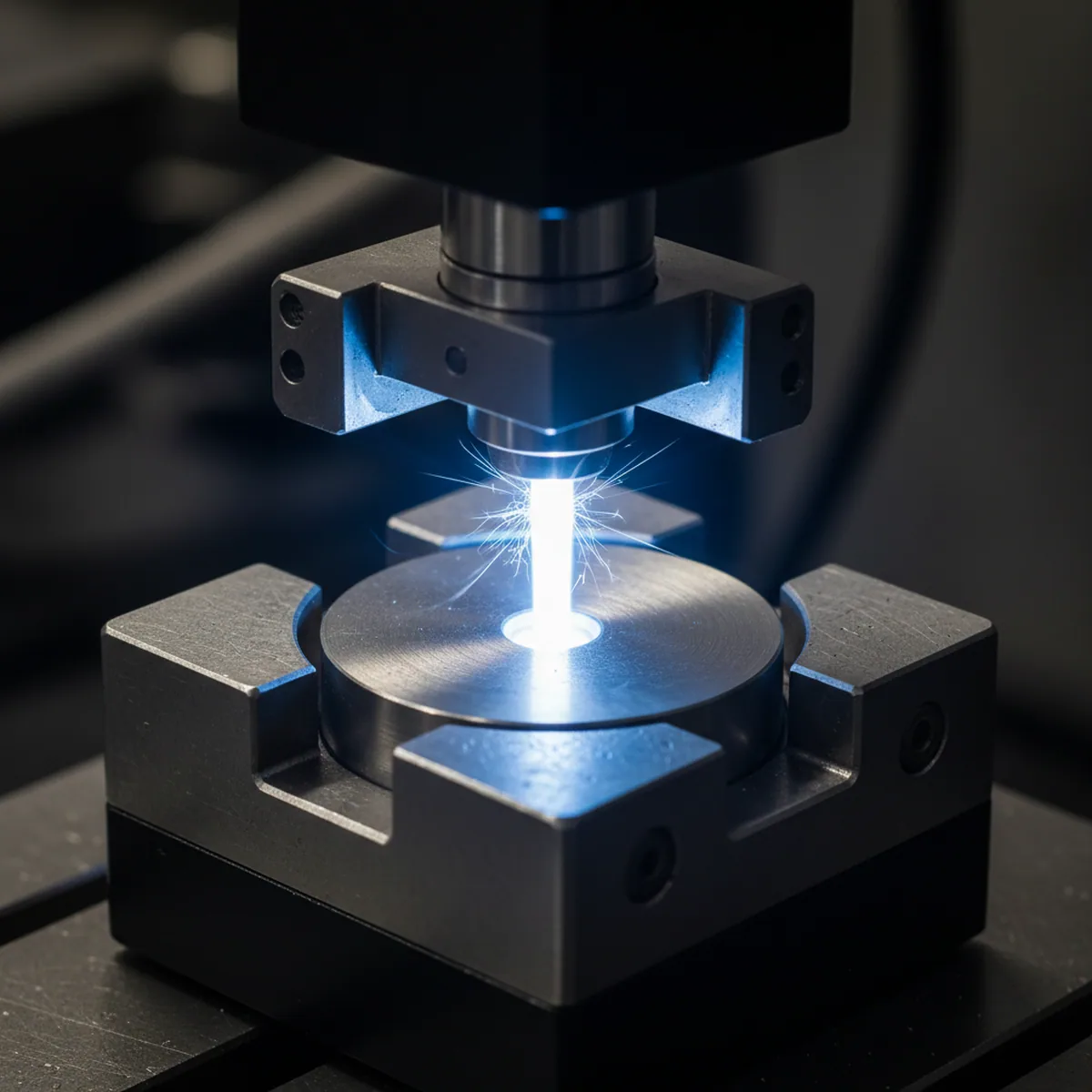


Application file · 1.2316 · 1.2085 · 420 · three stocked grades

Plastic Injection Mold Steel: 1.2316, 1.2085 and 420

Most enquiries that reach this page do not carry a grade. They carry a mold: a resin, a shot-count expectation, a cavity that has to come off the polisher looking a certain way, and a stack of plates that has to be machined by a date already promised.

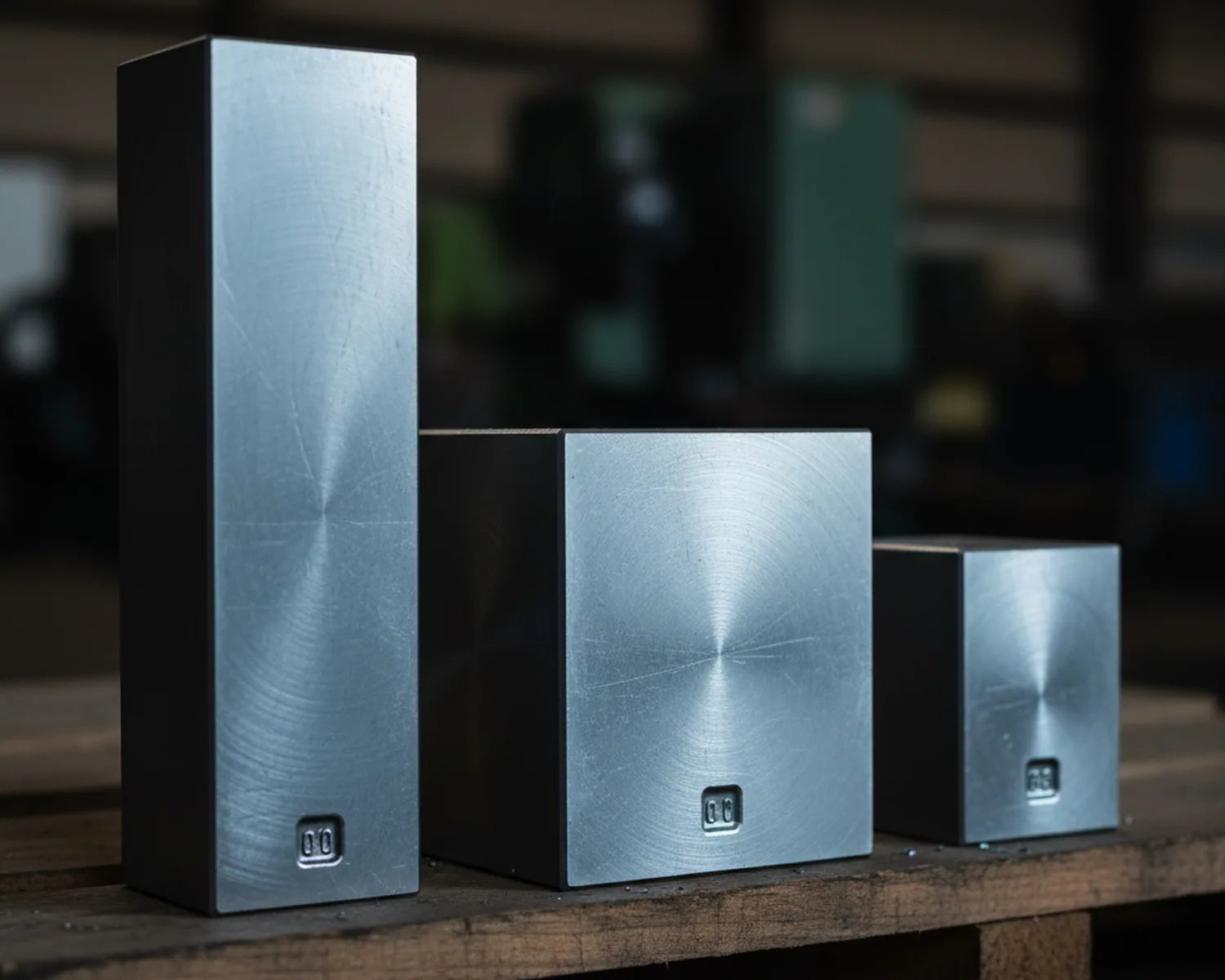
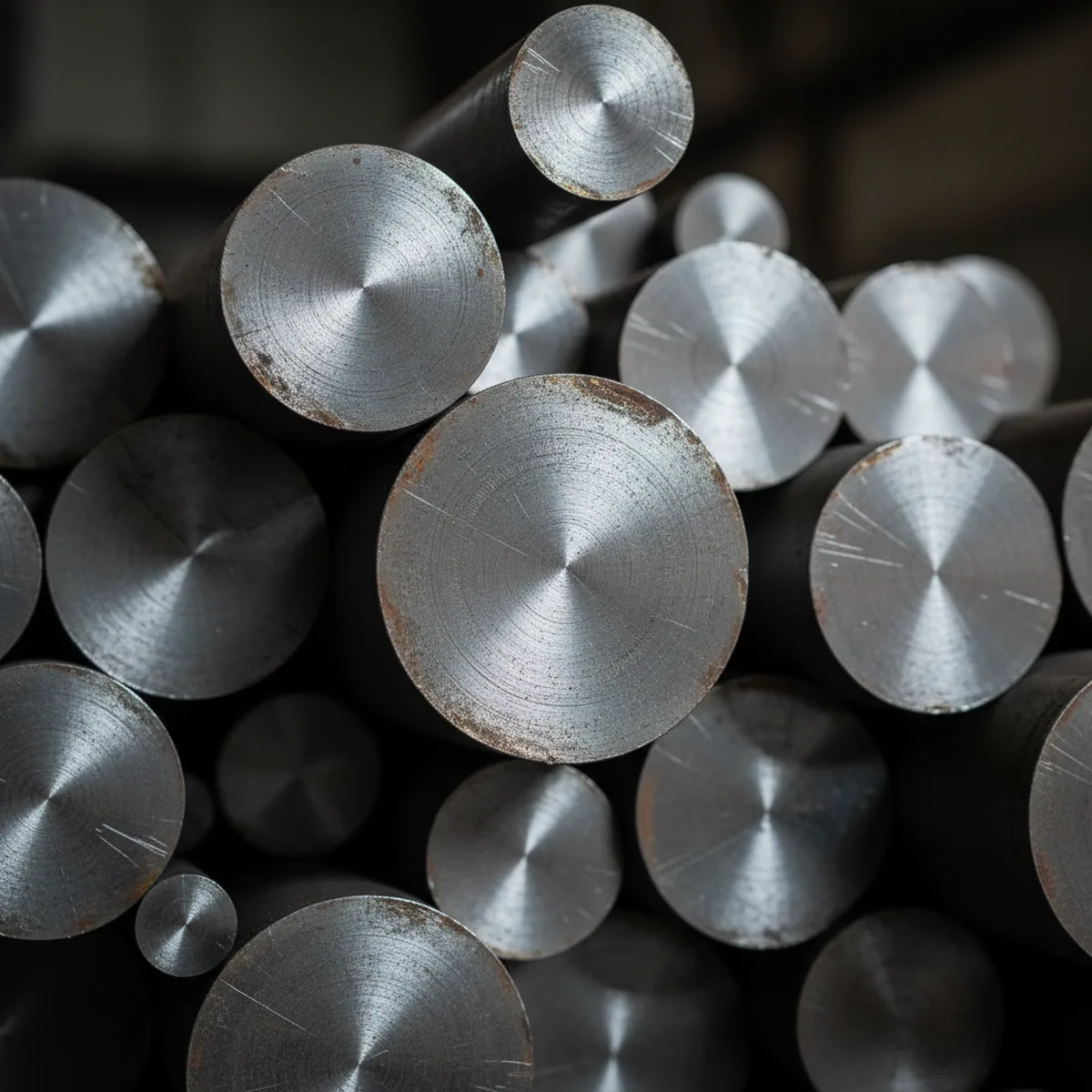
Fucheng supplies plastic injection mold steel as three stocked grades: 1.2316 for resins that attack steel, 1.2085 pre-hardened for plates and bases that go straight to the machine, and 420 for cavities that have to polish out. All three are melted, electroslag remelted, forged, treated, finished and inspected inside our own works.

Who we supply
Our customers are distributors, stockholders and wholesalers in more than 100 countries, nineteen years of them, and the tool rooms below you stay your accounts.
Answered off the shelf
Because these three sit among the five grades we hold finished, a mold list is answered off the shelf in 7 to 10 days instead of against a melting queue.
Three stocked grades
1.2316For resins that attack steel
1.2085Pre-hardened, for plates and bases that go straight to the machine
420For cavities that have to polish out
  • Three grades held in stock.
  • Electroslag remelted, every heat.
  • 100% ultrasonic testing to SEP 1921 Class D/d or E/e, bar by bar.
  • Pre-hardened delivery at 29 to 33 and 30 to 34 HRC, measured and printed.
  • EN 10204 3.1 MTC with every batch.

Send the resin, the shot-count band, the cavity and plate sections, and whether the cavity has to reach a mirror. A grade recommendation with the stock position comes back within 24 hours on a working day. Or work the selection route below and arrive with the grade already picked.

Three questions · three exits

Plastic Injection Mold Steel Selection Tree

Three questions decide which of the three grades goes on the order, and they are asked in this order because each one closes off part of the range.

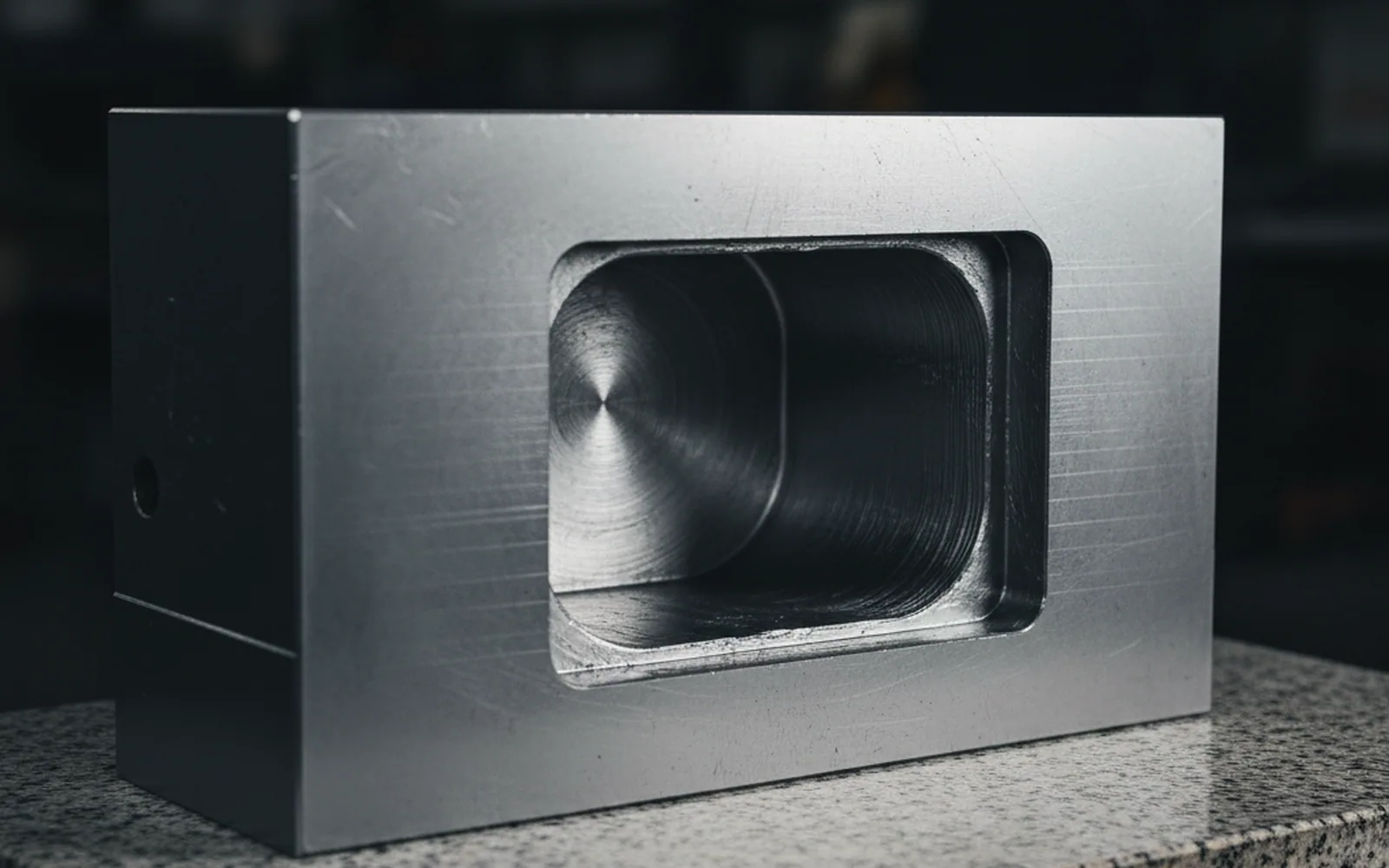
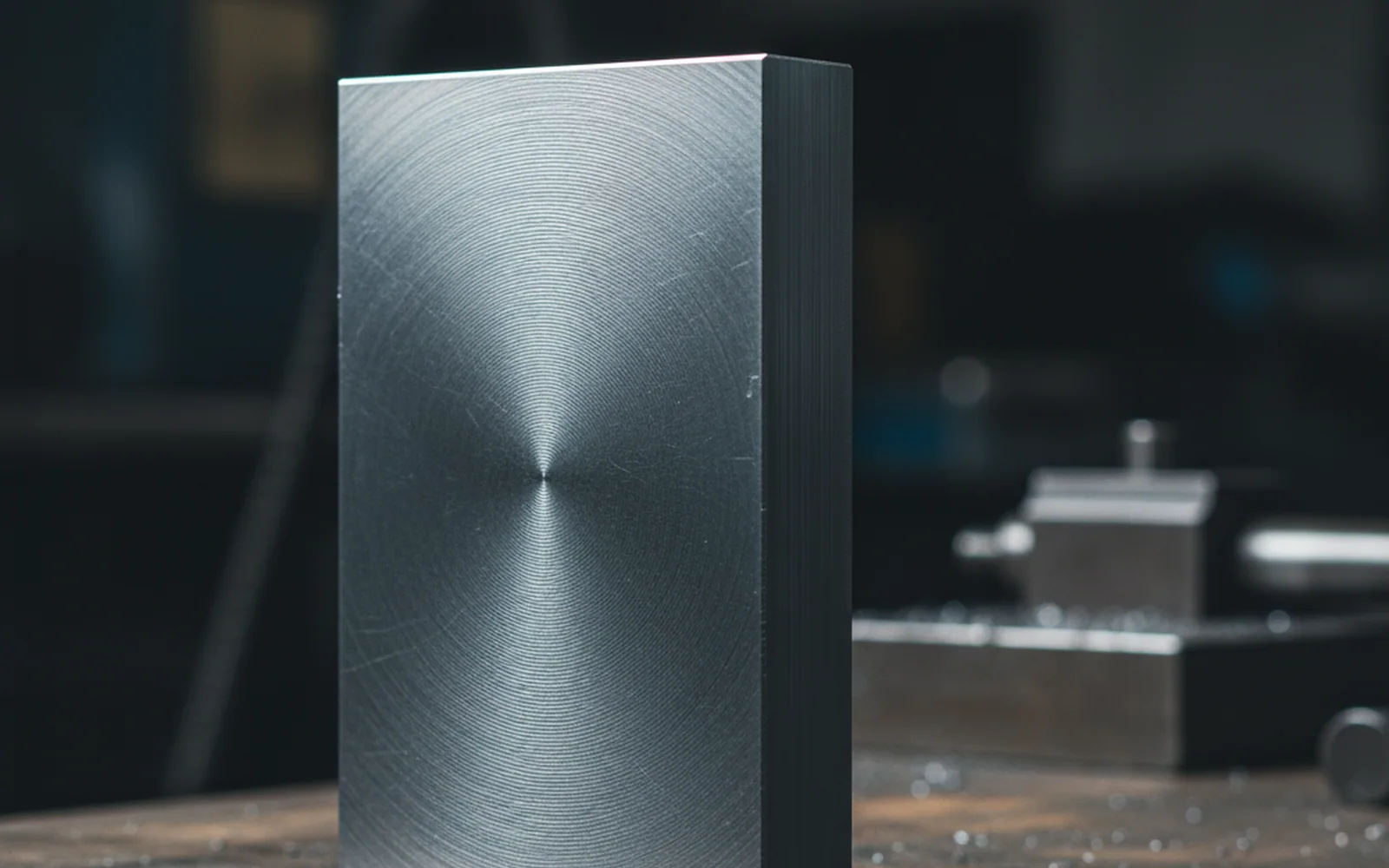
Plastic injection mold steel cavity block machined and set on a surface plate Cavity and core blocks, mirror work.
  1. Question one

    Does the resin attack steel?

    PVC, halogen-bearing flame-retardant compounds and some acetal formulations release acidic products at melt temperature, and they reach the cavity face, the vents and the parting line.

    The cooling side attacks separately, from the water: untreated circuits in a mold that stands between programmes pit and scale from the inside, and blocked cooling shows up as warped parts long before anyone opens the mold to look. Where either condition applies, the grade is 1.2316, at 15.5 to 17.5 % chromium with 1.00 to 1.30 % molybdenum behind it.

    1.2316 Where either condition applies 15.5 to 17.5 % chromium, 1.00 to 1.30 % molybdenum behind it.
  2. Question two

    Will the cavity be hardened after it is machined?

    Large plates, mold bases and heavy cavity blocks are usually machined once and put to work, because a hardening cycle after the cavity is cut puts every hour of that machining at risk.

    Tooling that will be hardened goes out annealed at 245 HB or below and comes up to roughly 48 to 52 HRC in 1.2316, or 48 to 54 HRC in 420, in the hardener's own furnace.

    1.2085 · 420 Machined once, put to work Those go out pre-hardened: 1.2085 at 29 to 33 HRC, or 420 at 30 to 34 HRC where corrosion resistance and polishing both matter more than machinability.
  3. Question three

    Does the cavity have to polish to a mirror?

    Transparent parts, optical surfaces and cosmetic medical housings print every defect in the steel onto every shot, and the answer there is 420, electroslag remelted.

    The 0.05 to 0.10 % sulphur that makes 1.2085 cut so freely is present as sulphides, and sulphides are what open up as pinholes at the fine stages of polishing, which is why 1.2085 earns its place on plates, bases and textured or technical surfaces rather than on a mirror cavity.

    420 Mirror, optical, cosmetic Electroslag remelted.

No to all three

1.2085 Free machining, pre-hardened
Which grade and delivery condition each kind of mold lands on
The mold in front of youGradeDelivery condition
Corrosive resin, cavity hardened afterwards1.2316Annealed, 245 HB or below
Corrosive resin, mirror cavity420Annealed for hardening, or pre-hardened 30 – 34 HRC
Transparent or optical cavity, high shot count420Annealed for hardening
Mold base, plates, large cavity block, no hardening step1.2085Pre-hardened 29 – 33 HRC
Textured or technical surface, free machining priority1.2085Pre-hardened 29 – 33 HRC
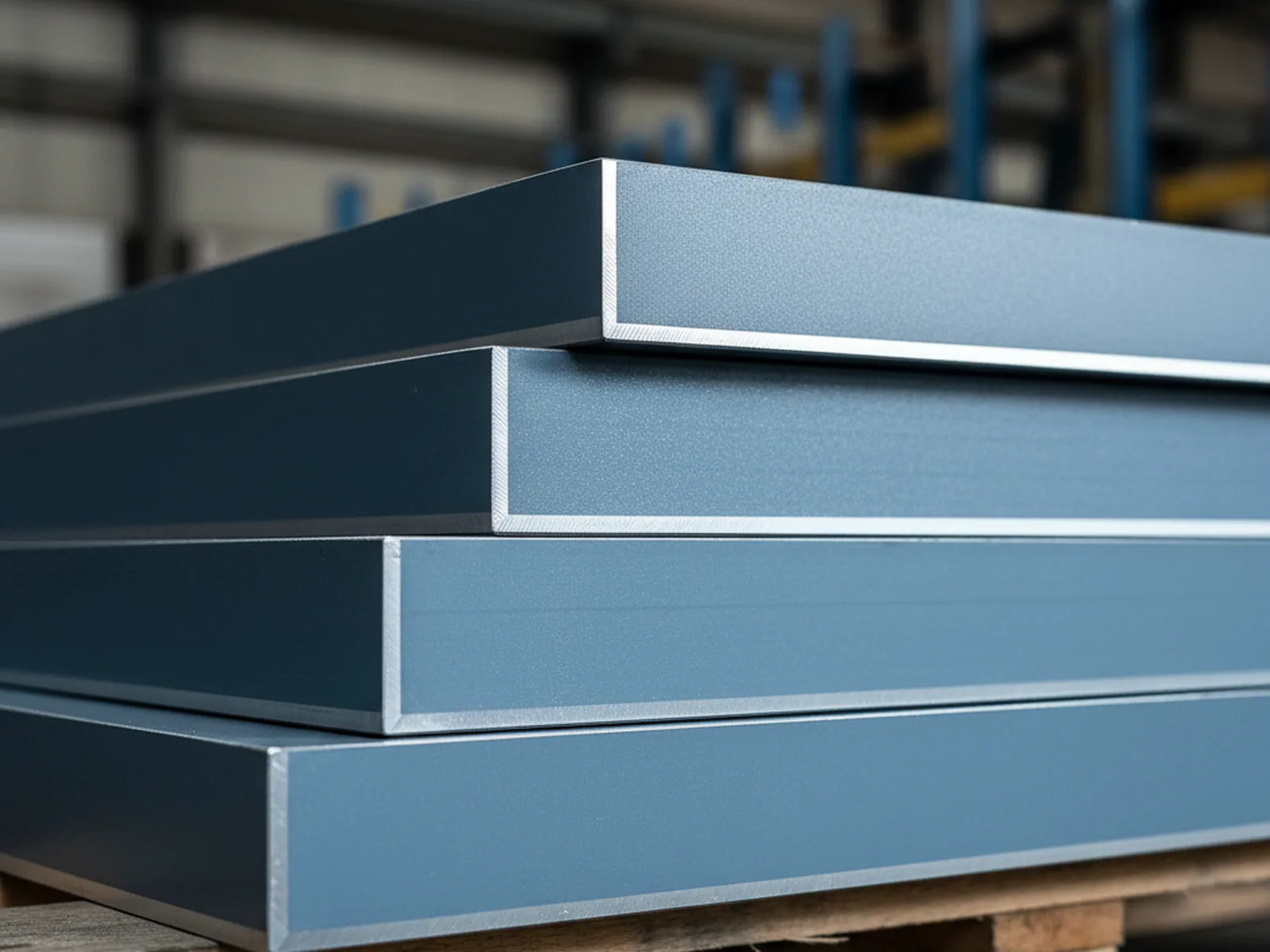
Pre-hardened plastic injection mold steel plates stacked as a mold base set Mold base, plates, large cavity block.
Where two answers pull against each other — a corrosive resin and a mirror cavity in the same tool — the technical desk works it in writing, on your side of the enquiry, and comes back with the grade, the delivery condition and whether the section is on the shelf or goes to production.
Three grades · one stock list

Three Grades, One Stock List

1.2316, 1.2085 and 420 all sit inside the 8,000 tonnes we hold finished. A plastic injection mold steel enquiry for common sections is a stock question here, not a production queue.

Six lines · one answer

Mold Conditions and Order Parameters

Six lines turn a mold description into a grade and a delivery date, and they are the six the desk works from.

Technical desk working a plastic injection mold steel enquiry against a section list The six the desk works from.
Glass filled moulding compound pellets that wear a mould cavity from the gate outward Glass-filled and mineral-filled compounds.
The six order lines and what each one decides
LineWhat it decides
Resin and filler contentCorrosion route: 1.2316, or chromium alone
Shot-count bandWhether hardened working hardness is worth a hardening cycle
Cavity and plate sectionsStock band or production, and the pre-hardening route
Surface target: mirror, textured, technical420 against 1.2085
Delivery condition: annealed or pre-hardenedWhich line the steel runs down here
Who hardens, if anyoneMachining allowance and added test items
The line most often left off

Filler content. Glass-filled and mineral-filled compounds wear a cavity from the gate outward regardless of how corrosive the resin is, and that changes the working hardness worth aiming for rather than the grade family. Say the loading and it is answered on the first reply.

Three molds · one question

Medical, Optical and PVC Tooling

Medical device tooling

420 · electroslag remelted

These molds run high cavity counts against surfaces that have to stay clean and stay identical from cavity to cavity over the life of a validated tool, which puts the load on surface condition and on the steel behind every block being the same.

We supply 420 for those cavities, electroslag remelted, with non-metallic inclusion rating available as an added test item and the heat number carried on every piece.

What travels with the steel is the EN 10204 3.1 material certificate and that heat number; approvals for the finished device sit inside your customer's own system, and the certificate is written to be forwarded into it intact.
Multi-cavity medical mold tool built in 420 plastic injection mold steel

Optical and transparent parts

420 · checked before the cavity is cut

PMMA and polycarbonate cavities transfer everything: a pinhole in the steel is a pinhole in every part until the cavity is repolished.

The steel is 420, and the check that matters happens before the cavity is cut rather than after, which is what the coupon below is for.
Transparent optical part beside the mirror polished mold steel cavity that formed it

PVC and halogen-bearing flame-retardant compounds

1.2316 · hardened downstream

Here the attack is chemical and it is continuous, on the cavity face, in the vents where products concentrate, and on the water side of the plate.

The grade is 1.2316, and the working hardness is set by the hardener afterwards, around 48 to 52 HRC for most of this work.
Vent and parting line of a PVC tool in corrosion resisting plastic injection mold steel
Three different molds, three different reasons for the same question at the desk: what is the resin, and what does the surface have to do.
Three places · three clocks

Chromium, Molybdenum and Pitting Resistance

Corrosion in a plastic mold shows up in three places, and they fail on different clocks.

  • 1The cavity face, where acidic products from the resin sit against polished steel.
  • 2The vents and the parting line, where those products concentrate because that is where they leave.
  • 3The cooling channels, attacked from the water side while the mold stands idle between programmes.
1 Cavity face 2 Vent, parting line 3 Cooling channel One block, three attacks, three different clocks.
Vent and parting line where acidic products concentrate on a plastic mould steel cavity
Cooling channel bore attacked from the water side in a mould plate

The two corrosion-resisting grades here answer that differently.

Chromium and molybdenum in the two corrosion resisting grades
GradeChromiumMolybdenumDelivered
1.231615.5 – 17.5 %1.00 – 1.30 %Annealed, 245 HB or below
42012.5 – 14.5 %Annealed 245 HB or below, or pre-hardened 30 – 34 HRC

1.2316 carries both the higher chromium and the molybdenum, and molybdenum raises resistance to localised pitting specifically — the pinpoint attack that starts in a vent or a water line rather than as general dulling across a face.

That is why a PVC or flame-retardant tool goes to 1.2316 even where 420 would be adequate on every other count, and why 420 stays the answer where the requirement is mirror polishing rather than chemical attack.

What we do not publish

Comparative corrosion ratings for either grade. What goes on the certificate is the measured composition of your heat, taken by optical emission spectrometry during melting and again on the finished product, against the standard window above.

Behind the three grades

Plant and Stock in Numbers

TenElectroslag furnaces
TwoPit furnaces on the quench and temper line
≈8,000 tHeld across five stocked grades
FourUltrasonic sets, 100% bar-by-bar coverage
Settled in the melt shop · months before the bench

Polishing, Inclusions and Mirror Finish Cavities

Pinholes do not appear when polishing starts.

They appear at the fine stages, after the cavity has every one of its machining hours already in it, because the abrasive has finally reached deep enough to open non-metallic inclusions sitting under the surface and pull them out.

What is left is a pit that cannot be polished away, only cut away — and cutting it away means taking the whole cavity surface down and starting again, or scrapping the block. Nothing at the roughing or the first polishing stages predicts it.

One face, drawn twice — as delivered above the fold, past #2000 below it
1.2085 · 0.05 to 0.10 % sulphur Sulphides — what opens up as pinholes at the fine stages
420 · electroslag remelted Remelting — what strips the inclusion population
Left 1.2085, right 420 · above the fold as delivered, below it past #2000 · the same points, in the same places, in both halves.

Every 420 heat here is remelted

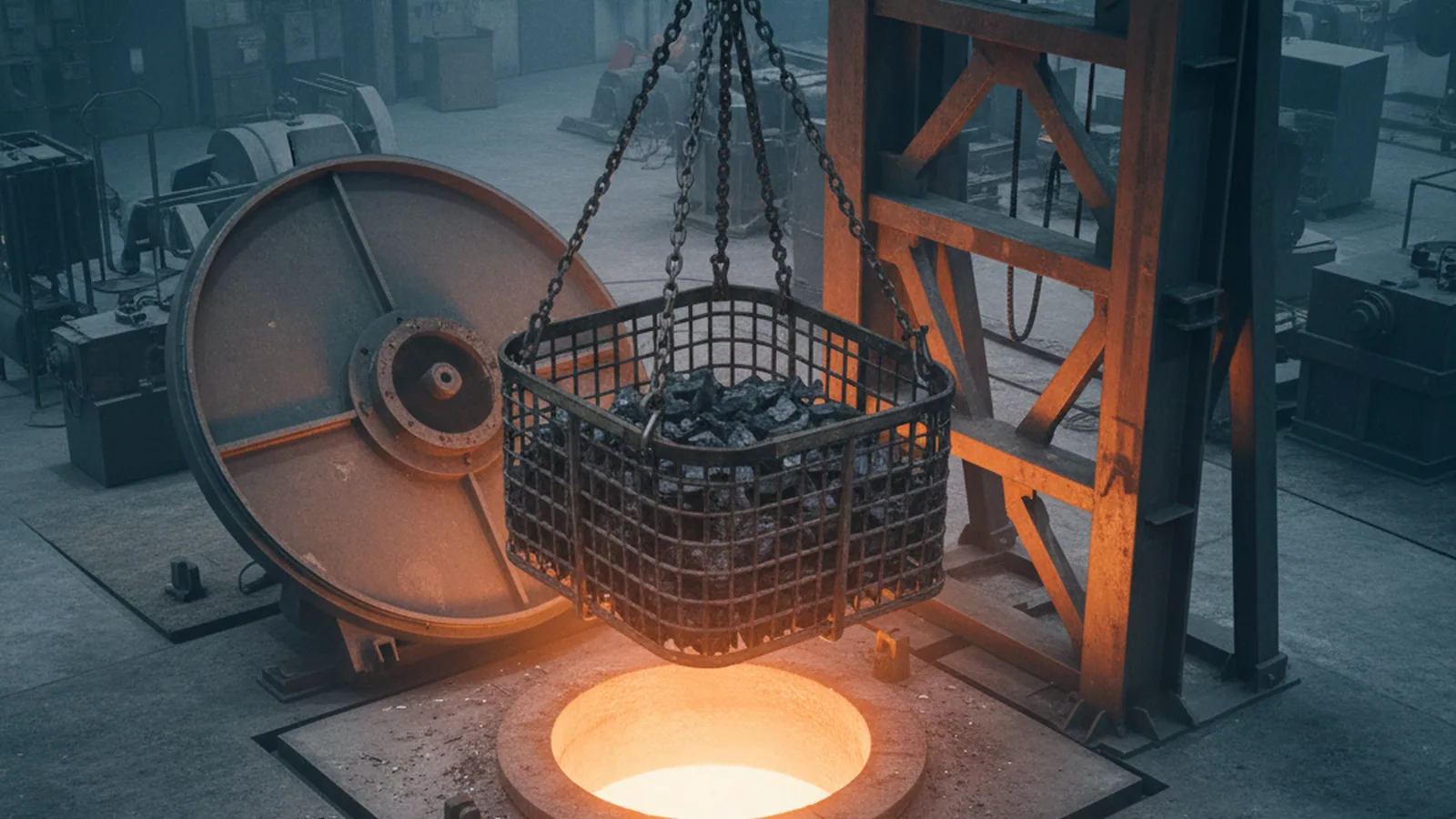
That is why every 420 heat here is remelted. Two 15-tonne induction furnaces feed a shop of ten electroslag furnaces running 3 to 12 tonne ingots, and electroslag remelting is what strips the inclusion population and the segregation that a cast ingot carries.

Our EFS grain refining practice is applied across the hot work, cold work and plastic mould grades on top of that.

Both pages carry the process detail; what matters at the order stage is what you can check yourself.
Row of electroslag remelting furnaces refining plastic injection mold steel ingots Ten electroslag furnaces, 3 to 12 tonne ingots.

Take the coupon to your own polisher

With a mirror-grade 420 order we send an unpolished coupon cut from the same heat as your blocks. There is no polishing operation in this works and we make no claim about what level it reaches — the coupon arrives as steel, and your own polisher takes it down with your own compounds, on your bench, past #2000 where pinholes declare themselves.

If it goes quiet and clean, that heat behaves on your process. If it does not, you know before the cavity is cut rather than after, and nothing has been spent.

Unpolished coupon cut from the same heat as a mirror grade plastic injection mold steel order The coupon arrives as steel.

Check the sulphur story on steel you already own

The 0.05 to 0.10 % sulphur in 1.2085 is deliberate: it is what makes a heavy plate machine at the rate it does. Those same sulphides are what surface as pinholes above roughly #2000.

Any offcut of 1.2085 already in your warehouse, from any source, will show it in twenty minutes of polishing — which is the same evidence that puts 420 on the mirror cavity line and keeps 1.2085 on the plates and bases where its machinability pays.

Fine stage polishing bench where mold steel pinholes declare themselves above 2000 grit Twenty minutes of polishing.

Name the rating method and we report the measurement

Non-metallic inclusion rating is available as an added item on any heat, rated by whichever method you specify: ASTM E45, DIN 50602 or ISO 4967. The measured rating goes on the EN 10204 3.1 for that heat.

We do not print an acceptance class that was not agreed with you first, and the way to test that is to ask loosely.

“Rate the inclusions to your usual acceptance class” — and see what comes back.

What comes back from here is three questions: which standard, which inclusion types, and where your line sits. Then we measure to that and report it.

Metallographic microscope rating non-metallic inclusions in a mold steel heat ASTM E45 · DIN 50602 · ISO 4967.
The polishing behaviour of plastic injection mold steel is settled in the melt shop, months before the block reaches a bench.
Several pieces · one record

One Heat Across the Mold

One more thing decides whether a mirror job behaves consistently: a mold is several pieces, not one.

When the base, the plates and the cavity blocks come down on one order
we pick them from a single heat wherever stock covers it.
When stock does not cover it from one heat
each piece is marked with its own heat number and the measured results of those heats are attached side by side, so a difference between two blocks on the bench has a record behind it instead of a theory.
Heat numbers stamped on each block of a plastic injection mold steel order Each piece marked with its own heat number.
Four lines · 24 hours

Send the Resin and the Cavity Size

Four lines, and a grade recommendation with the stock position comes back within 24 hours on a working day, written so you can forward it to the tool room that asked.

  • Resin and filler
  • Shot-count band
  • Cavity and plate sections
  • Whether the surface has to reach a mirror
Send the resin and the cavity size
Measured · printed on the 3.1

Pre-Hardened Delivery and Hardness Windows

Pre-hardened plastic injection mold steel leaves here at a measured hardness inside a stated window.

1.2085
29 – 33 HRC
420
30 – 34 HRC

That condition is produced on our own quench and temper line, not bought in pre-hardened. Two pit furnaces, 4,000 mm deep by 1,600 mm diameter, take the heavy plate and block sections that this work needs, which is what lets the pre-hardened band cover the full flat range up to 500 mm thick and 1200 mm wide rather than thin plate only.

The spread between surface and core widens as sections get heavier, so send the thickest piece on your list and the desk tells you which route the material takes rather than leaving you to find it at the first cut. That is also where a heavy block moves from pre-hardened supply to annealed supply plus hardening.

Not released on concession
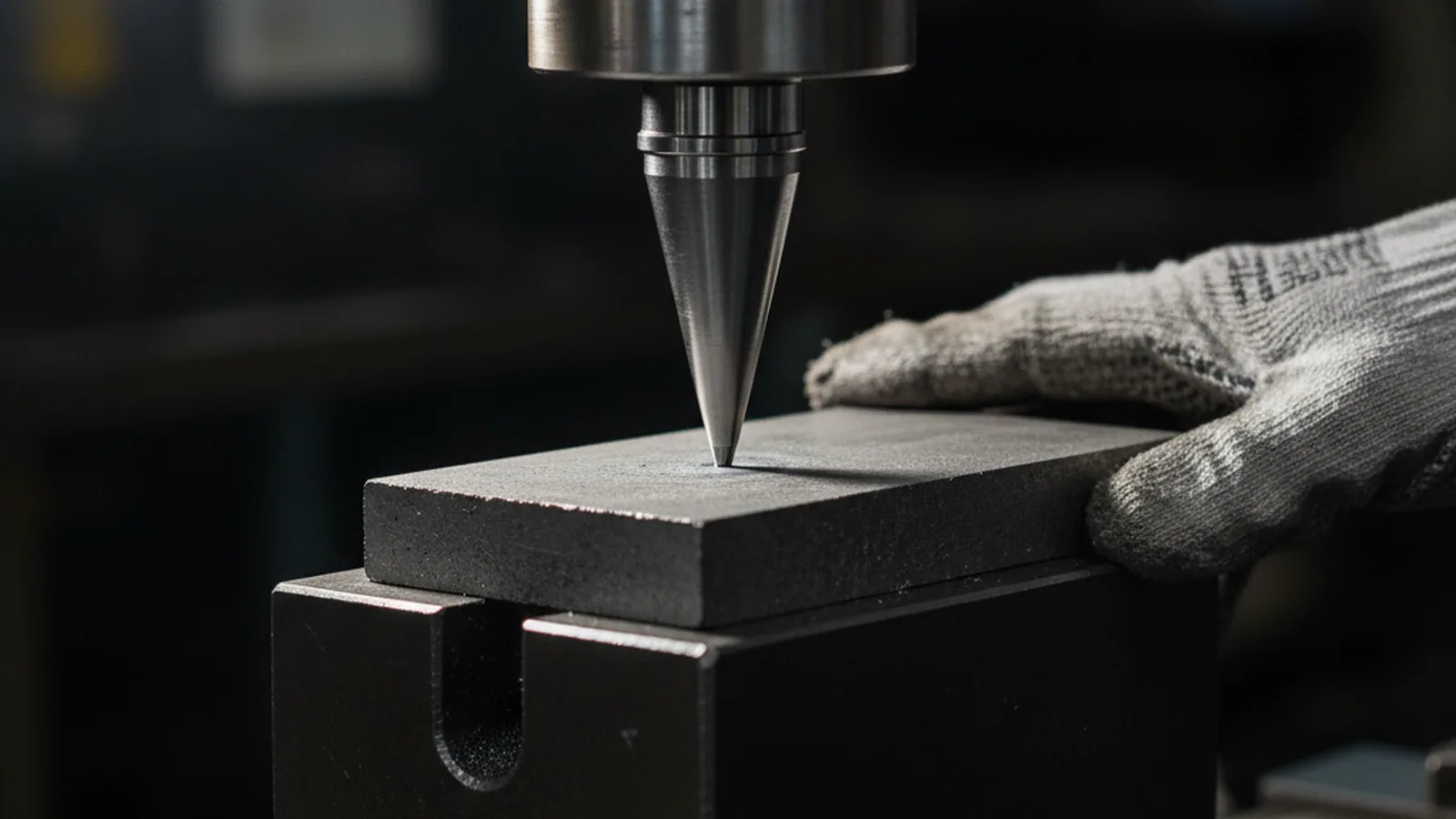
Hardness is measured on the treated material and the reading for your batch is printed on the EN 10204 3.1, not quoted from a datasheet. A batch outside the window goes back through the cycle and is measured again; it is not released on concession, the same rule that governs annealed material.
Pit furnace on the quench and temper line producing pre-hardened plastic injection mold steel 4,000 mm deep by 1,600 mm diameter. Hardness reading taken on treated pre-hardened mould steel before release The reading for your batch, not a datasheet.

The sequence it removes

Pre-hardened mold base and plate set machined once and going straight to work Machined once, and go to work.

The reason this condition exists at all is the sequence it removes. A mold base and a set of plates bought pre-hardened are machined once and go to work; there is no hardening cycle after the cavity geometry is in the steel, so there is no distortion to chase, no cracked water-line corner and no re-machining of a block that already carries days of spindle time.

For the work that does get hardened afterwards — 1.2316 and 420 both — a quench test sample is available: we take material from your heat, run it through the route you specify and report the measured hardness and dimensional change.
The hardener sees the number before the cavity is committed instead of after.
A parts list · line by line

Plastic Injection Mold Steel Stock Position

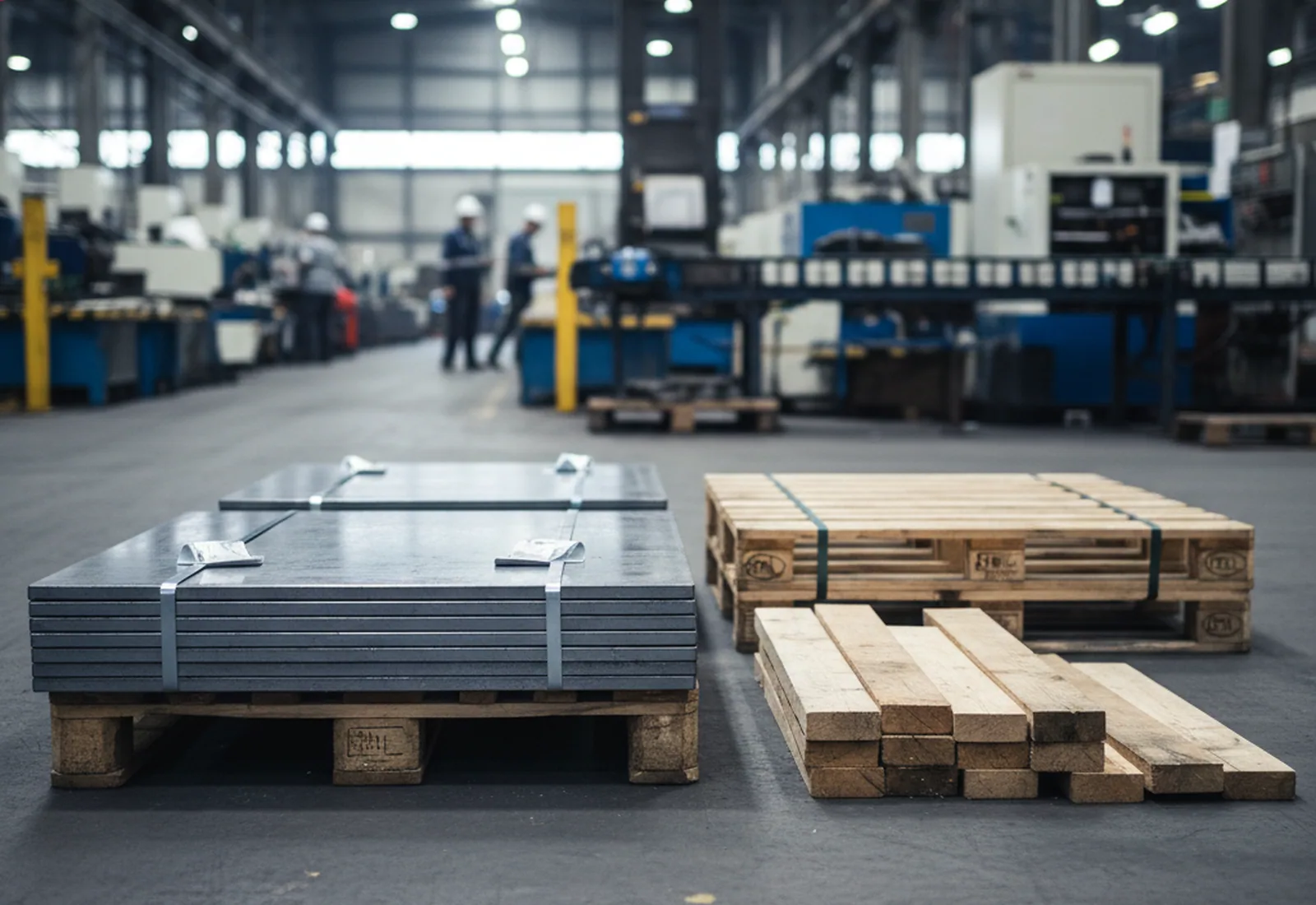
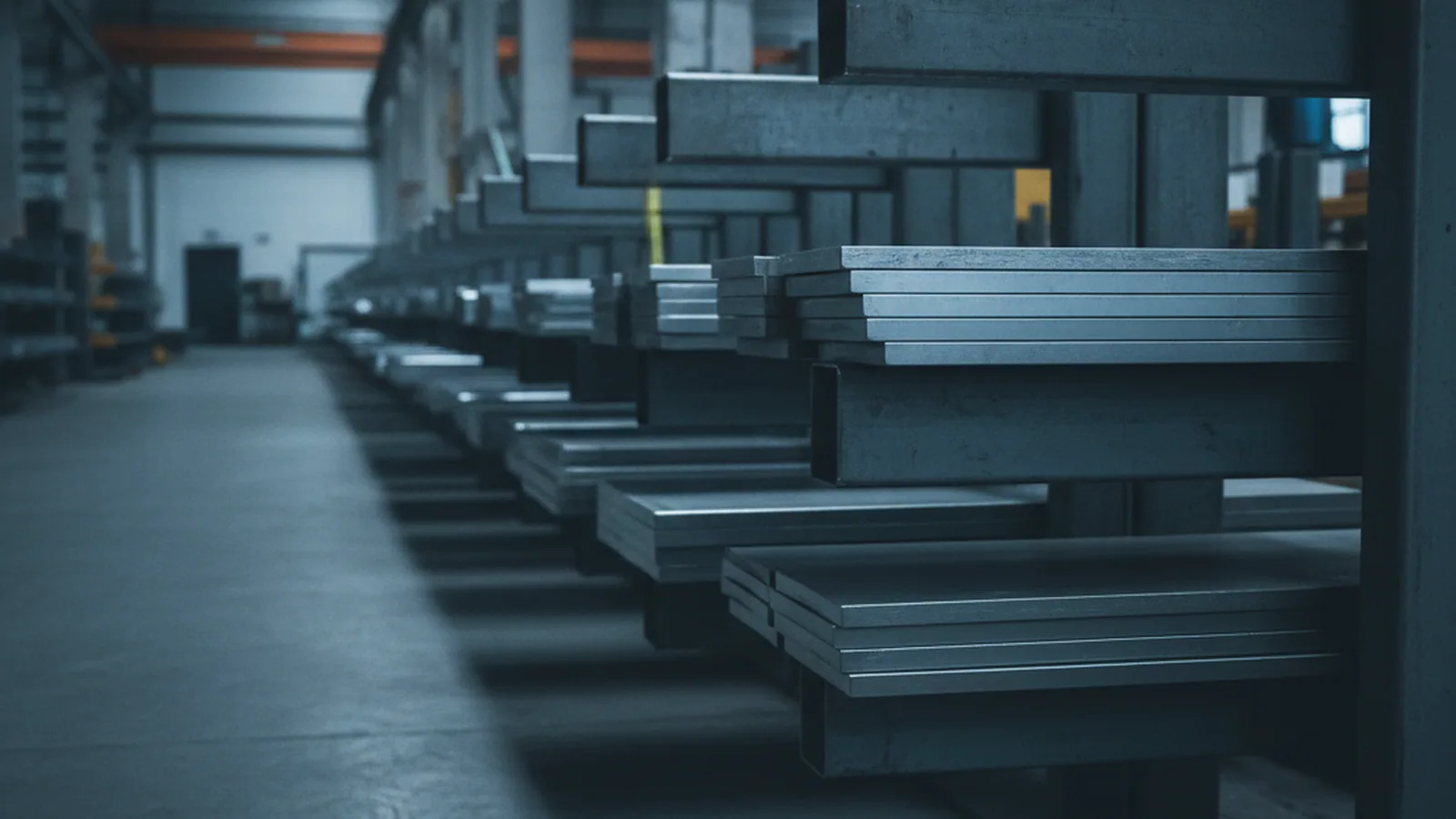
A mold order is a parts list, so what matters is which parts of it come off the shelf. Plastic injection mold steel is stocked here as flat product first, because that is the shape a base, a plate and most cavity blocks start as.

Racked flat plastic injection mold steel plate held finished for mold base and cavity work
What is held for each part of a mold and the route it takes
Part of the moldWhat is heldTypical route
Base and support plates1.2085 pre-hardened flat, common thicknessesShelf, 7 – 10 days
Cavity and core blocks, mirror work420 flat and round, common sectionsShelf, 7 – 10 days
Cavity blocks for corrosive resins1.2316 flat and round, common sectionsShelf, 7 – 10 days
Heavy or off-band sectionsUp to 500 mm thick, 1200 mm wide, Ø 600 mmMade for the order, 25 – 35 days

Add 2 days where the list is sawn to length, 5 days where faces are ground or milled, and work to drawing is quoted per drawing.

A size drawn down by a large set is replaced out of our own melt shop rather than bought in, so the same parts list answers at the same speed the next time it comes round.

Round mould steel bar ends held in common sections for cavity and core blocks
Per line · not per order

Surface Options and Cut-to-Size Tolerances

Steel leaves in one of four surface conditions, and the choice is worth making per line rather than per order, because it decides how much work the tool room does before it starts on the mold.

Black forged
Turned
Ground
Milled on six faces
Cut to size and finishing tolerances
OperationWhat it holds
Cut-to-length±2 mm
Ground thickness±0.05 mm
Milled surfaces, flatness0.1 mm per metre

For plates and bases those figures are the ones that decide whether a stack goes straight onto the machine or through a squaring operation first, and six-face milled plate is bought here for exactly that reason.

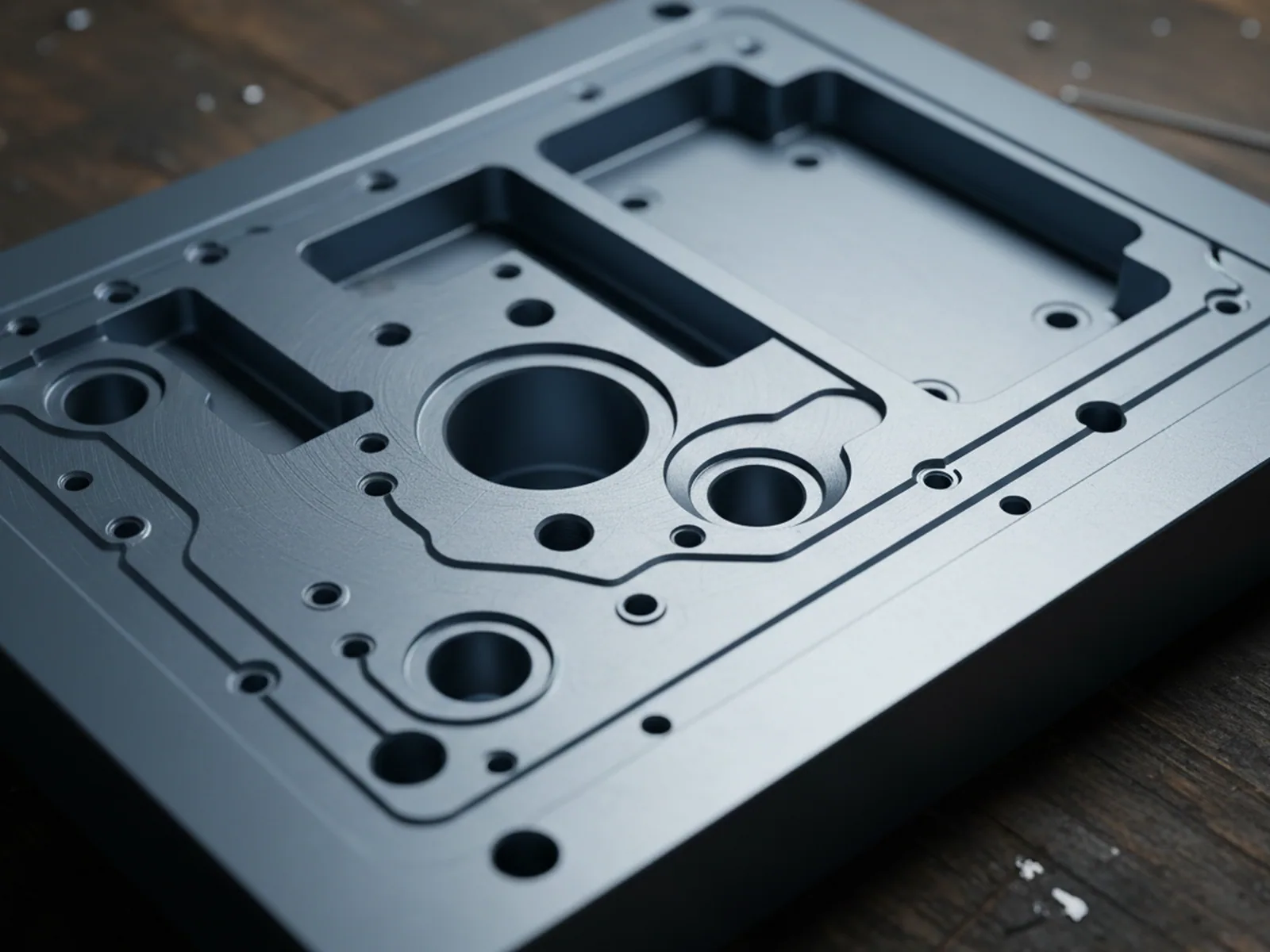
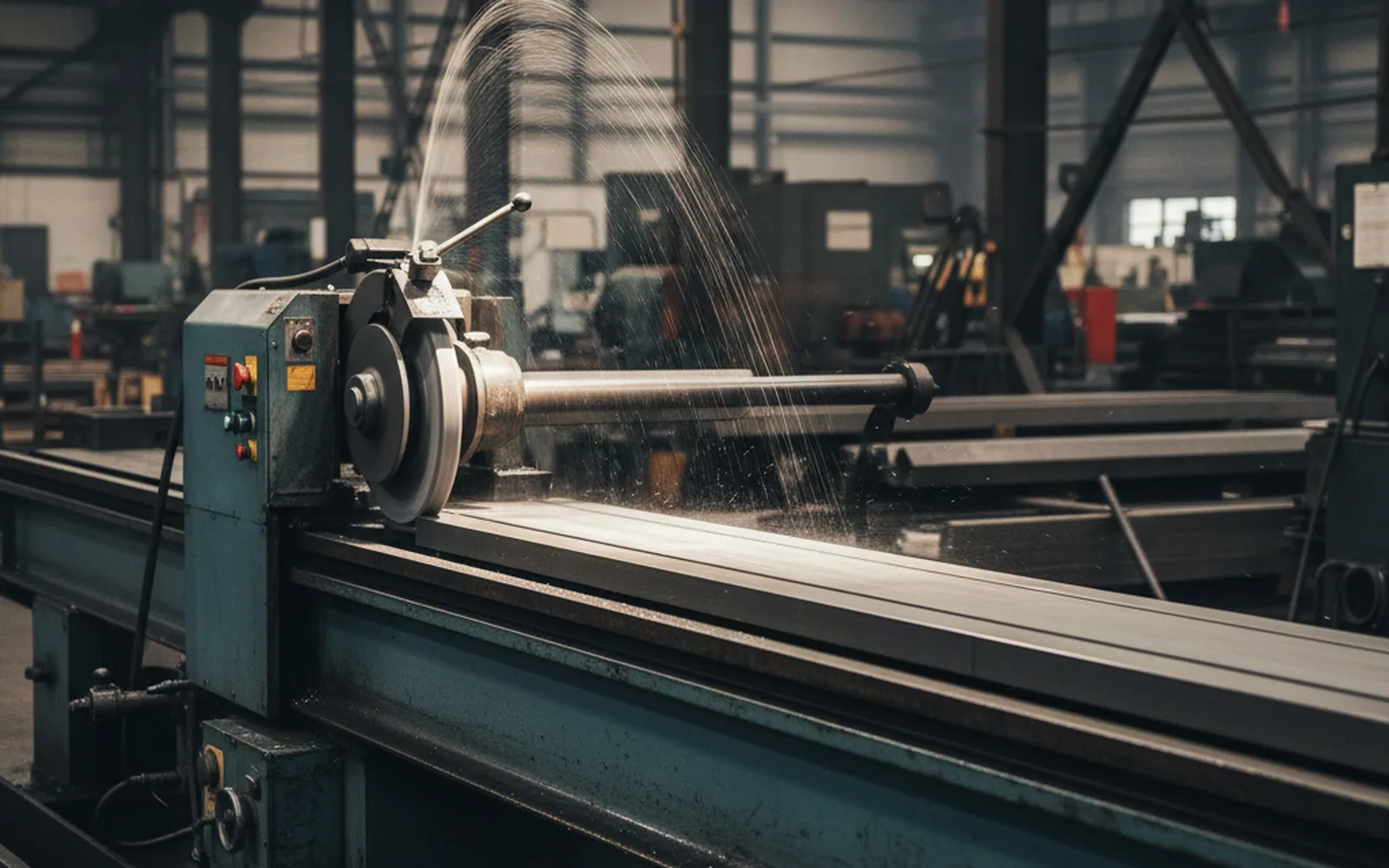
Precision sawing, grinding, milling and machining to drawing are all run in our own finishing bays, so a cut list and a surface spec travel on the same order as the steel and under the same heat number.

Six face milled mould steel plate squared before it reaches the tool room Straight onto the machine, or through a squaring operation first. Grinding and milling bay finishing plastic injection mold steel plate to the cut list Sawing, grinding, milling, machining to drawing.
EN 10204 3.1 · every batch

Plastic Injection Mold Steel Documents

Every batch ships with an EN 10204 3.1 material test certificate, signed by a quality department that reports to the general manager rather than to production, and written to survive being forwarded to a tool room that will test the steel again.

What it carries for these three grades

  • The measured chemical composition of the heat by optical emission spectrometry.
  • The delivered hardness as measured, in HB for annealed material and HRC for pre-hardened.
  • The ultrasonic result, since every bar is taken through 100% ultrasonic testing to SEP 1921 Class D/d or E/e.
  • Grain size and carbide distribution reported as measured values.
  • The heat number that ties all of it to the block in front of your customer.
Optical emission spectrometer measuring the composition of a mould steel heat
EN 10204 3.1 material test certificate issued with a plastic injection mold steel batch
Added on request for plastic mold work

Non-metallic inclusion rating by ASTM E45, DIN 50602 or ISO 4967, and the quench test sample for material that will be hardened downstream.

No default acceptance class

Grain size, carbide distribution and inclusion rating are reported as measured. We do not declare a default acceptance class on any of them, because a class printed without agreement is a specification commitment made on your customer's behalf by someone who has not seen their part.

Tell us the class the tool room works to and the material is measured and reported against it.

Ten years against the heat number

Ten year record archive filed against the heat number of every mould steel batch

Records are kept for ten years against the heat number. When a block behaves unexpectedly two years into a programme, the file for that heat still exists and the handling of nonconforming material and disputed results is set out in full on the home page.

Written to survive being forwarded.
Three arrivals · three different points

Common Mismatches and What They Cost

Three grade choices arrive already made that will not survive the mold they are meant for, and each one costs at a different point.

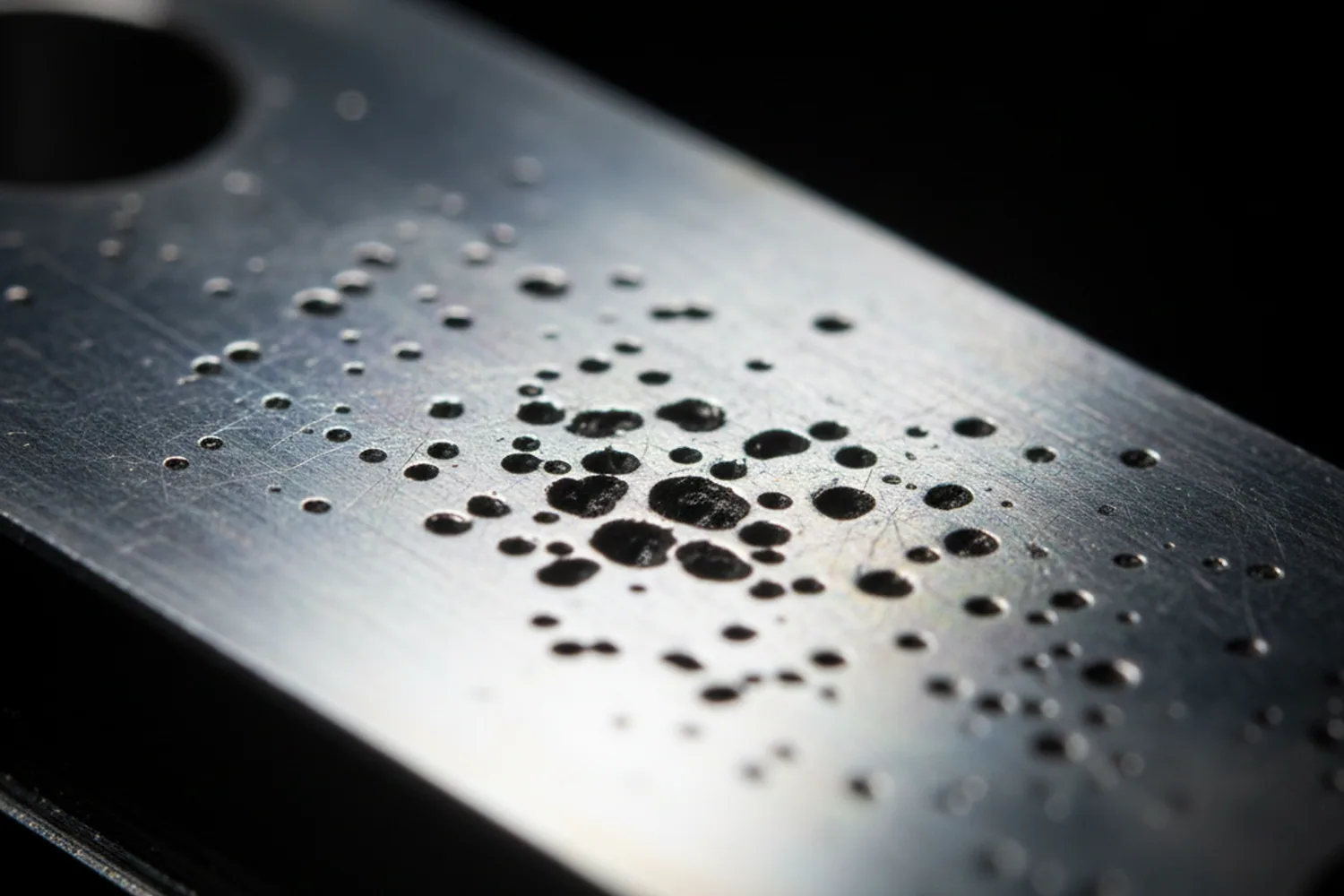
Pinholed cavity surface where free machining mould steel failed at the fine polishing stages

1.2085 specified for a mirror cavity

It machines beautifully, which is usually how it got onto the drawing, and it fails at the last operation before the mold ships.

The sulphides come out as pinholes at the fine polishing stages, and by then the block carries its full machining cost.

The cavity goes to 420; 1.2085 keeps the base and the plates on the same order.
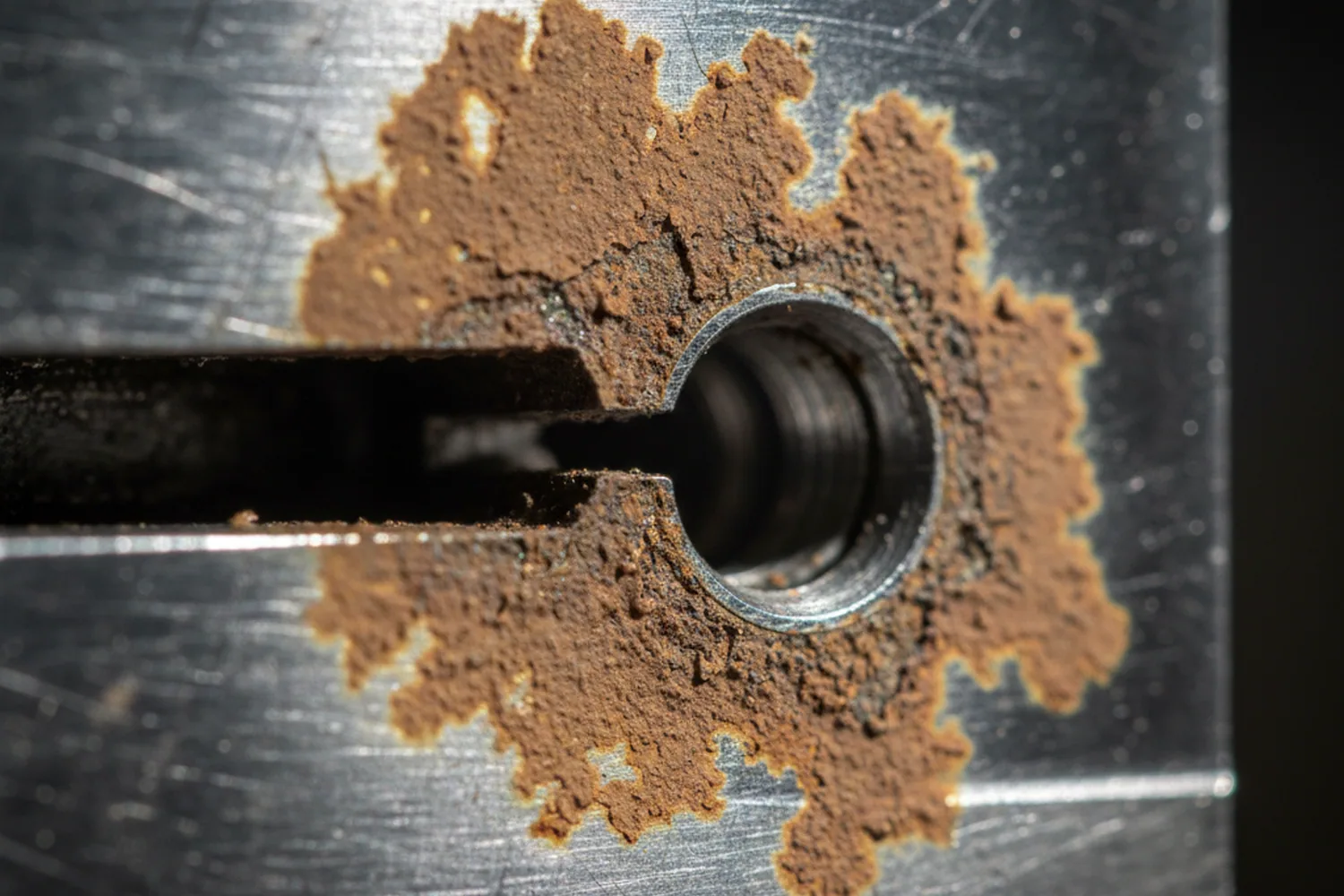
Pitted vent and water line on a flame retardant tool built in the wrong mold steel

420 specified for a PVC or flame-retardant tool

It polishes and it holds hardness, and it pits — in the vents first, then the water side.

The tool comes back for welding and repolishing early in its life, and the argument about who pays for that lands on whoever supplied the steel.

The grade for that resin is 1.2316.
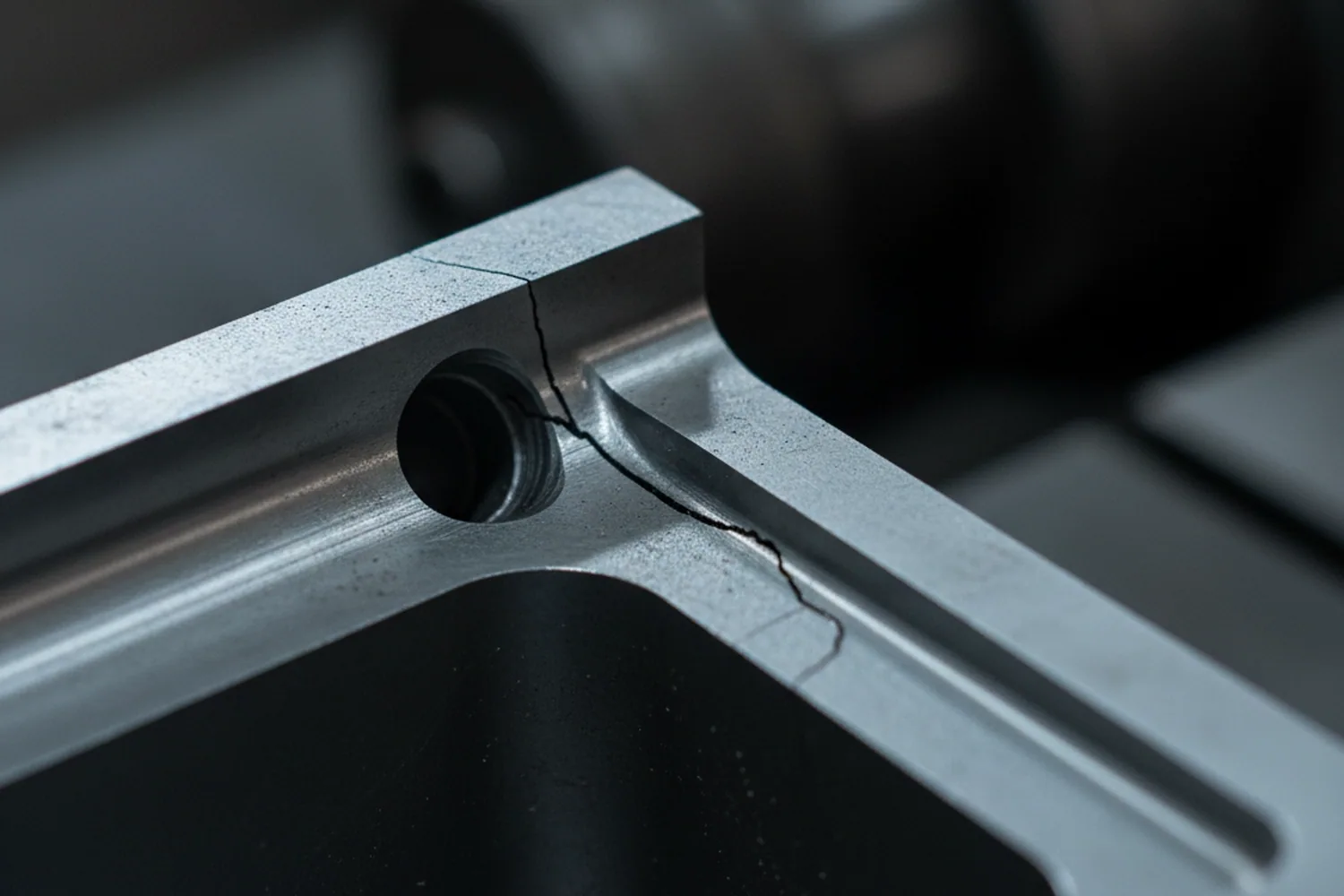
Cracked water line corner on a heavy cavity block hardened after machining

A heavy cavity block bought annealed and hardened after machining

Every hour of cavity work is at risk in the quench, and a crack at a water-line corner or a distortion beyond the polishing allowance writes off the block, not just the cycle.

Either the block goes out pre-hardened at 30 to 34 HRC and skips the step, or a quench test sample from the same heat runs the route first and reports what actually happens.
Line by line · not one order

Distributor Replenishment and Enquiry Lines

We supply distributors, stockholders and wholesalers, and the tool rooms and molders they serve remain their accounts.

Mixed plastic injection mold steel list split line by line between shelf stock and production A set is not held whole while one plate waits.

Plastic mold grades move differently from the rest of the range: they go out as mold sets rather than as bar, they are asked for by resin as often as by grade name, and the person asking usually needs an answer the same day.

Mixed lists are handled line by line rather than as one order. Stocked sections are confirmed against the 7 to 10 day window and the rest is scheduled to production, so a set is not held whole while one plate waits. A first order can run as a trial before a programme depends on the supply, and it is answered on the same terms as a repeat.

First trial order of plastic injection mold steel packed for a distributor A first order can run as a trial.
The commercial lines that go with an order are set out on the contact page.

What we need to answer a mold enquiry completely on the first reply

  • 01The resin with its filler loading
  • 02The shot-count band
  • 03The cavity and plate sections with quantities per size
  • 04The surface target, mirror, textured or technical
  • 05The delivery condition, annealed or pre-hardened
  • 06Who hardens, if anyone
Grade · stock position · lead time

Start the Grade Recommendation

Send the resin, the shot-count band, the section list and the surface target, and a grade recommendation, the stock position and the lead time come back within 24 hours on a working day.

  • The resin and the filler loading
  • The shot-count band
  • The section list
  • The surface target

Add the mirror requirement to the enquiry and the unpolished coupon from your heat is arranged with the order.

The check happens on your bench before the cavity is cut.

Mold Steel Grade & Stock Position

Reply in 24 h

Working days, Monday to Friday 09:00–18:00 GMT+8. We supply distributors, stockholders, wholesalers and buyers procuring at scale.

Or write directly: wonderful@fcstoolsteel.com
WhatsApp: +86-18972782802